
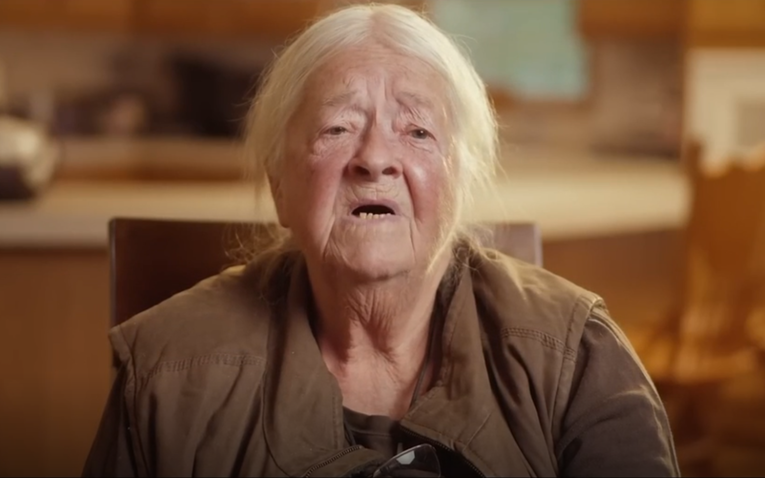
Ohio’s governor race has taken a deeply personal turn after Vivek Ramaswamy’s campaign released an attack ad featuring the estranged mother of Democratic opponent Amy Acton. The dispute comes as a Marist poll puts Acton seven points ahead — but that survey was completed before the video circulated.
That timing is crucial: the poll provides a snapshot of the race before the controversy, not evidence of how voters have responded to it.
What happened in the Ohio campaign?
According to ABC News, the video features Donna Arthur questioning her daughter’s account of her past and urging voters to reject her. Ramaswamy acknowledged on Tuesday that his campaign produced the ad, defended it and said Arthur was not paid.
Acton said she and her brother had been removed from their mother’s custody at age 12 because of abuse and neglect. Her brother, Philip Stearns, accused Ramaswamy of exploiting the sexual abuse she experienced as a child. Their campaign released a response featuring Stearns.
Ramaswamy’s campaign argued that the issue was Acton’s credibility and criticised her refusal to debate. These are campaign accusations, not established findings about her honesty.
Update: Community Note and court records add crucial context
Updated October 22, 2026. An X Community Note appeared on a post quoting Ramaswamy campaign spokesperson Connie Luck and added context absent from the campaign’s criticism of Acton. It pointed readers to Acton’s long estrangement from her mother, the loss of parental custody and historical court records relating to allegations against her stepfather. The note provides context; it is not a court ruling.
A October 21 PolitiFact examination reviewed records and historical reporting concerning Acton’s childhood. Records described by PolitiFact show that her stepfather, Cledith Arthur, was arrested and indicted in 1978 on a charge involving the sexual assault of a 12-year-old girl. He pleaded not guilty, failed to appear in court and was sought under an arrest warrant. According to Acton’s campaign, the case did not proceed to trial. The allegations must therefore not be described as a criminal conviction.
Ohio Capital Journal, which reviewed Mahoning County court documents, also reported on the case and said Acton’s mother lost custody. Acton and her brother, Philip Stearns, have described their separation from their mother after the abuse allegations arose. The records and accounts provide relevant context for evaluating the ad’s claims, but they do not independently establish every detail of the family dispute.
Ramaswamy has acknowledged that his campaign produced the ad. According to Axios and Ohio’s Statehouse News Bureau, his campaign announced a $4 million push to promote it despite criticism from both Republicans and Democrats. His team maintains that the dispute is about Acton’s credibility, while critics argue the advertising exploits childhood trauma. None of these developments changes the timing of the Marist survey described below.
What the latest Marist poll shows
The Marist survey published on October 20 gives Acton 50% and Ramaswamy 43% among likely Ohio voters. Among likely-voting independents, Acton leads 53% to 34%.
| Candidate | Party | Likely voters |
|---|---|---|
| Amy Acton | Democratic | 50% |
| Vivek Ramaswamy | Republican | 43% |
Interviews were conducted October 15–18, 2026. The overall sample comprised 1,176 registered voters, contacted by telephone, text or online; the reported margin of error for likely-voter results is ±4.5 percentage points. The registered-voter sample size should not be confused with the likely-voter subgroup.
Why the poll cannot show whether the ad backfired
The video began circulating after Marist’s fieldwork ended. It therefore cannot explain the lead recorded in that survey. Claims that this poll demonstrates an electoral backlash would reverse the sequence of events.
A reaction from campaign figures or social-media users is also different from a measurable change in voting intentions. Assessing any electoral effect will require subsequent polling, with attention to interview dates, methodology and whether comparable surveys show a sustained change.
BOMBSHELL:
Ohio Democratic gubernatorial candidate Amy Acton’s own mother urges voters not to vote for her daughter.
“My name is Donna Arthur and I’m Amy Acton’s mother. I worked at Children and Family Service Association, building one of the first two sexual abuse programs in America.
I love my daughter, but when I saw her lying about her opponent—and it’s not easy for a mother to say this—but Amy has a serious problem.
She is a liar. She lies about her past. She says she grew up living in a tent. None of that is true. She’s lied her entire life.
My daughter needs help, and she can’t help you if she needs help herself. People can change, but first they have to tell the truth, and my daughter still isn’t doing that.
Don’t vote for people who lie. Don’t let her become your governor. If you think she’ll make your life better, you’re fooling yourself. It will only get worse.”
That’s one hell of an October surprise.
— Walter Curt (@wcdispatch) October 20, 2026
What to watch next
For election watchers, the immediate question is whether the controversy changes the campaign’s focus and whether later evidence shows movement among voters. A single survey is not a forecast, and a seven-point polling lead does not establish the eventual result.
The governorship is a separate contest from Ohio’s Senate election. Readers following the fight for Congress can also explore Votendi’s guide to seven Senate toss-up races.