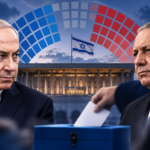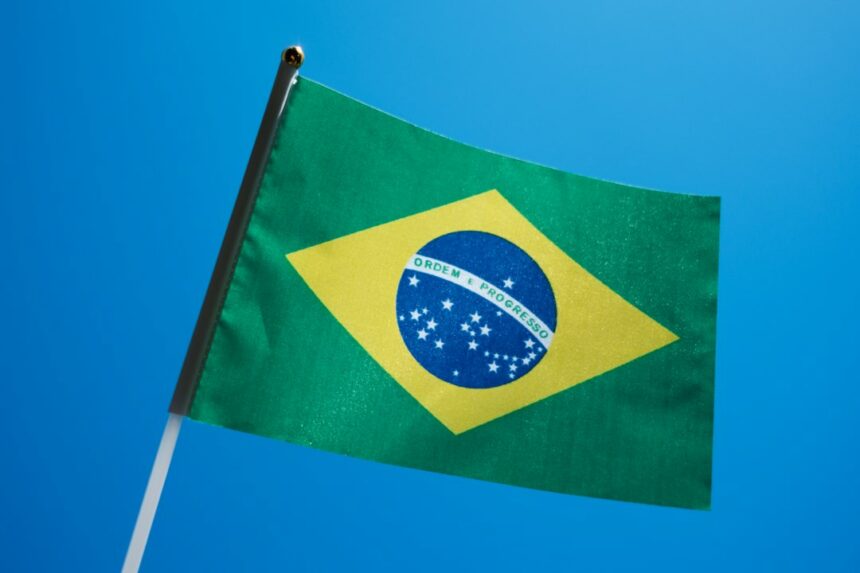
Brazil’s presidential campaign has reached its final weekend, with Luiz Inácio Lula da Silva and Flávio Bolsonaro leaving their last televised debate to await a wave of final opinion polls before Sunday’s runoff. The October 23 confrontation on TV Globo brought living costs and personal attacks back to the centre of a contest that recent surveys have shown to be extremely close.
Saturday, October 24, is a crucial day for the polling picture. Datafolha, Quaest and AtlasIntel are among the institutes expected to publish fresh results. These are scheduled releases, not results already available: the figures below refer to previously published surveys.
Living costs dominate the final debate
According to Reuters’ account of the final debate, Lula defended increases in the minimum wage above inflation and his record on hunger. Flávio Bolsonaro attacked food prices and argued that the government’s tax changes would make life more expensive. Security, welfare and corruption also featured in the exchange.
The confrontation was another opportunity to frame the choice for voters: Lula stressed social protection and the government’s record, while his challenger focused on household pressure and dissatisfaction with the incumbent.
Personal attacks nevertheless interrupted the policy discussion. Folha’s debate coverage highlighted Flávio’s reference to Lula’s missing finger and Lula’s description of his rival as a “miliciano”, a politically charged reference to armed militia groups. Such accusations are campaign statements, rather than findings established by the debate itself.
Where the published polls stand
The latest surveys do not all produce the same headline. Datafolha’s October 22 release reported a rounded 50%–50% split in valid votes. Folha subsequently noted that the unrounded figures were 50.47% for Flávio Bolsonaro and 49.53% for Lula.
RealTime Big Data’s October 23 release put Flávio at 52% and Lula at 48% of valid votes. Its 2,000 interviews were conducted on October 19–22, with a reported margin of error of two percentage points and TSE registration BR-09670/2026.
In the October 22 PoderData/Aya release, the valid-vote figures were 51% for Flávio and 49% for Lula. The survey interviewed 4,000 people on October 19–21, reported a 1.6-point margin of error and was registered as BR-07926/2026. These figures and methodology details are compiled in UOL’s latest polling roundup.
Valid-vote shares exclude undecided responses and blank or null choices. They should not be compared directly with percentages calculated across all respondents. Nor should small differences between separate institutes automatically be read as movement over time.
Which polls are expected on Saturday?
Folha has announced a new Datafolha release, with a results discussion beginning at 18:40 Brasília time on October 24. The survey covers October 23–24, with 4,050 interviews, a two-point margin of error and registration BR-09540/2026. The discussion time should not be treated as a guaranteed exact publication minute.
Brasil de Fato’s release schedule puts AtlasIntel at approximately 18:00 Brasília time. Its registered fieldwork runs from October 18 to 23, with 5,000 respondents and registration BR-06380/2026.
Quaest is also scheduled for Saturday, although the same report gives no confirmed publication time. Its planned sample is 3,702 interviews on October 23–24, under BR-09158/2026. Other expected releases listed by the outlet include Futura/Apex, Gerp, MDA, Nexus/FSB/BTG and Palver. Publication plans can change.
Why the interview dates matter
A poll published after Friday’s debate is not necessarily a poll of reactions to it. AtlasIntel’s stated fieldwork begins several days before the confrontation; the Datafolha and Quaest windows span both Friday and Saturday. Without a breakdown of interview timing, their full samples cannot be described as entirely post-debate.
Votendi analysis: the useful test is whether the final releases show a consistent pattern across institutes, and whether any change appears within comparable series. One small shift, or a different rounded headline, is insufficient to establish that the debate changed the race. Sunday’s result will also depend on which supporters turn out.
This article was prepared on October 24 before the scheduled final releases discussed above. Announced surveys are kept separate from published results.